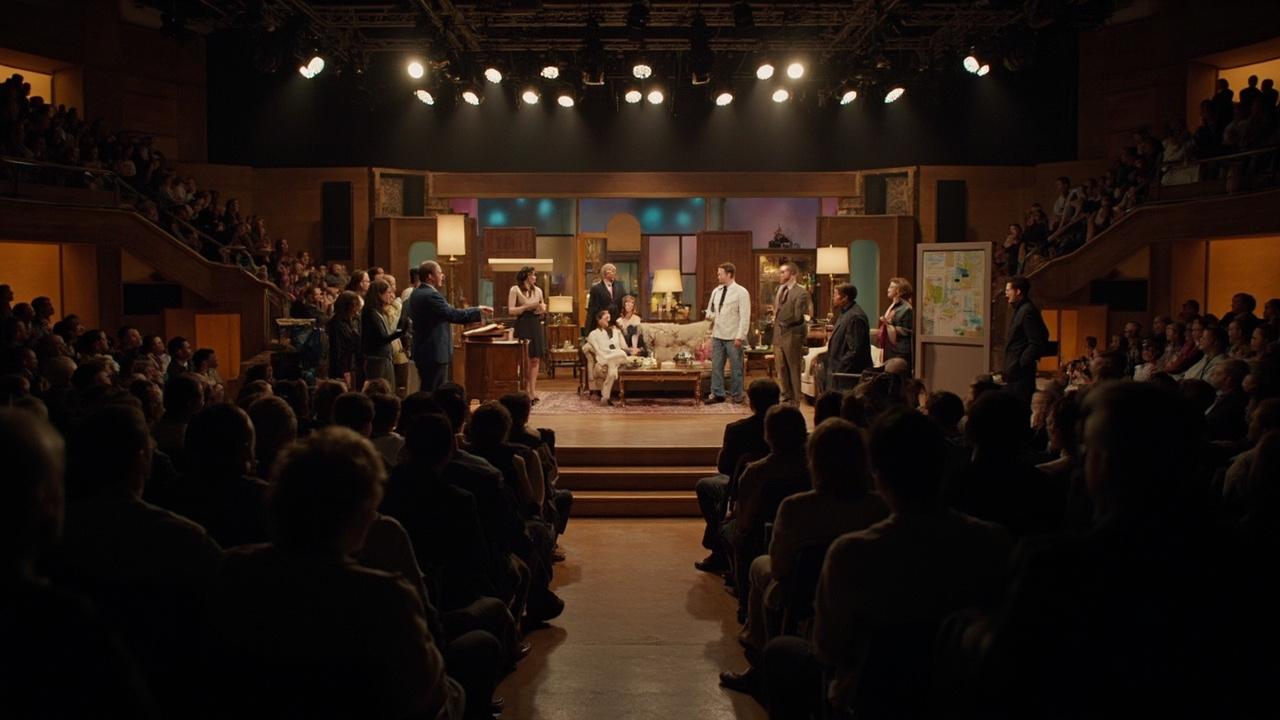
The first season of "Stuart Fails to Save the Universe" concluded with a production choice that sent ripples through television production circles. Episode 10 marked the first time since 2019 that HBO Max aired a multicamera comedy filmed before a live studio audience.
The finale took characters Stuart, Denise, Kripke, and Bert to a reality where alternate versions of themselves were shooting a sitcom with an audience present. This creative decision connected the show directly to a golden era of television production.
Reclaiming a Legendary Soundstage
The production took place at Warner Bros.' Burbank facility, specifically at the venue that once housed television's most successful multicamera comedy. That lot houses only five soundstages bearing official show designations, and the one used for this production is among them.
The other four lots named for specific programs honor productions including the long-running Ellen DeGeneres talk show, the medical drama E.R., the beloved Friends, and the sitcom Two and a Half Men. Visitors touring the studio grounds can see this particular stage included on public routes.
Actors Brian Posehn and John Ross Bowie reflected on walking back into that environment. The performer playing Bert told reporters this installment felt stranger than anything else during the season. His co-star, who portrays Kripke, noted that having spectators present happened just once across the entire run.
A memorable line from Posehn emerged: "We were in that space again, right? Stage 25. Our former space." He described the experience as peculiar yet entertaining.
Why the Format Matters Now
Modern streaming productions typically employ single-camera setups without studio audiences. The multicamera technique, with its multiple angles captured simultaneously, dominated television comedy for decades but has become increasingly uncommon.
The connection to that earlier production carries weight for Warner Bros. The studio has demonstrated willingness to extend successful properties through new ventures like "Georgie & Mandy's First Marriage." Maintaining stages and infrastructure for this style signals ongoing commitment to such projects.
What It Means for You
The positive reception to this experiment suggests streaming platforms may explore traditional formats more frequently. If season two continues this approach, viewers could see more multicamera content return to their screens.
Production companies will likely monitor audience response closely. Strong viewership numbers could convince other studios to invest in live-audience multicamera projects again.
The renewed attention on stage spaces and historic television venues benefits the broader industry. Fans of classic sitcoms gain new content honoring those traditions while discovering fresh storytelling through the multiverse premise.
Key takeaways
- The season finale brought multicamera production with a live crowd back to television for the first time since that earlier comedy ended its run
- The Burbank lot contains only five soundstages named for specific productions, with this episode filmed on the most recently designated one
- Both actors involved described the experience as uniquely surreal compared to other episodes
- The streaming platform has already ordered additional episodes, potentially continuing this format
- Studios may renewed interest in multicamera techniques following positive audience reaction
Frequently asked questions
What significant production change happened in the finale?
The episode used a multicamera setup with actual spectators present, techniques that defined earlier television comedies but have grown rare among streaming services.
Where exactly was this filmed?
The production occurred at Warner Bros.' Burbank location, on a soundstage officially named in honor of a beloved sitcom that ran ten seasons.
How does this relate to The Big Bang Theory?
The finale was shot on the same lot that housed that long-running show for its entire decade-long broadcast, recreating the atmosphere of traditional sitcom filming.
What did the performers say about this?
Brian Posehn characterized it as the most disorienting episode of the entire run, while John Ross Bowie noted it was the sole installment featuring audience members.
Is more content coming?
The series has received confirmation for a second season, with the format potentially continuing based on this episode's reception.
Source: techradar.com